Painting 3D printed figurines is one of the easiest ways to transform a raw plastic print into a polished display piece for your desk, bookshelf, or home decor. With a few basic materials and the right workflow, PLA figurines can look surprisingly realistic, even if you’re new to miniature painting. This guide covers preparation, priming, painting, sealing, and common mistakes to avoid.
1. Prepare and Clean the Print
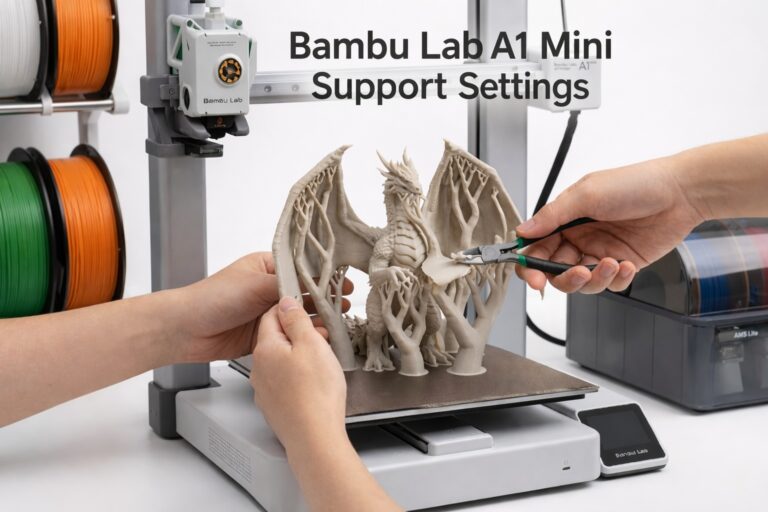
Before touching any paint, remove any leftover supports and lightly sand rough areas. A 220–400 grit sandpaper is usually enough for PLA. If the model has visible layer lines, wet sanding helps smooth the surface more evenly. For detailed statues like animals or busts, avoid over-sanding sharp features. After sanding, wipe the model with isopropyl alcohol or water to remove dust.
2. Apply a Primer
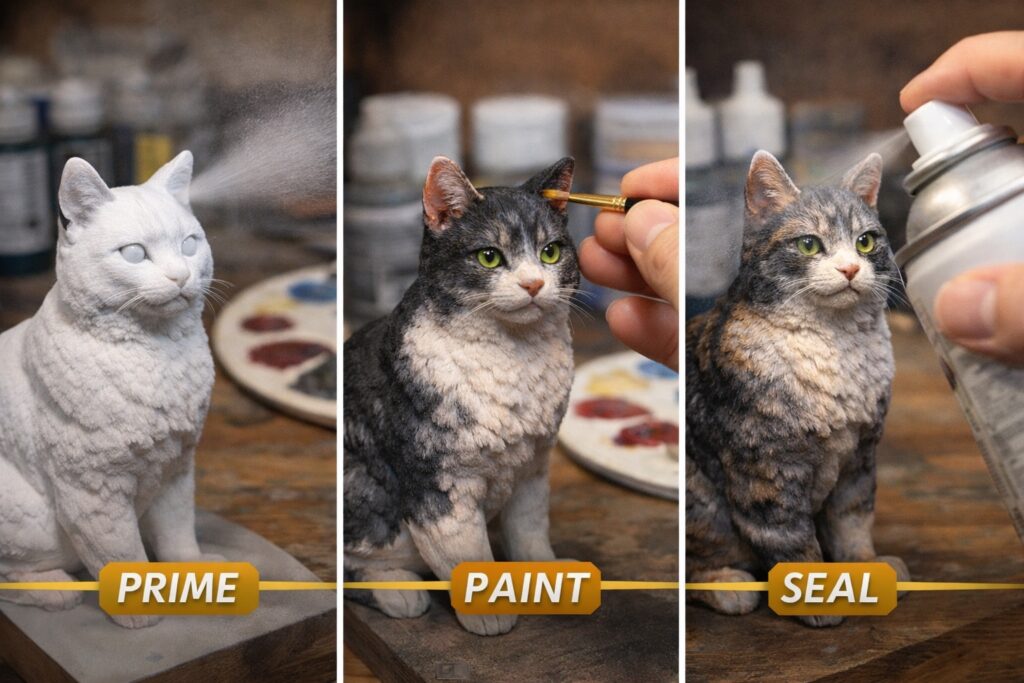
Primer helps paint adhere to PLA and creates a uniform surface. Choose a surface primer designed for plastics, such as gray or white primer for figurines. Spray in thin passes rather than heavy coats to avoid filling small details. Let the primer dry fully before moving on — typically 20–30 minutes.
3. Base Colors and Layering
Acrylic paints are the best match for PLA because they dry quickly and bond well without melting the material. Start with broad base colors first, then build up shadows and highlights using dry brushing techniques. For animal statues, fur or skin tones can be layered with light strokes; for decorative busts, metallic accents work well for a premium finish.
4. Add Details and Weathering
Small brushes (size 00–1) are ideal for details like eyes, creases, or ornaments. If you want a more realistic or vintage look, apply washes or weathering powders to deepen shadows and add contrast. These techniques work beautifully on models designed for display rather than gaming.
5. Seal and Protect the Surface
A clear matte or satin varnish protects the paint and prevents chipping. Sealing is especially important for figurines displayed on desks or shelves. Spray sealers should be applied in light coats, holding the can 20–30 cm away from the model.
Final Tips
- Test colors on a scrap print first
- Use slower layer heights (0.12–0.20 mm) for smoother surfaces
- PLA, PETG, and resin all accept acrylics, but resin needs less sanding
Painting turns an ordinary print into a finished piece and can make decorative figurines feel premium and handmade — a perfect match for home decor, gift ideas, and pet statues.