
Stop Wasting Filament: The Science of Stronger 3D Prints
Many makers wonder exactly how to save filament 3D printing projects without losing part quality. If you want to save filament 3D printing costs, you must understand the balance between structural integrity and material usage. By learning how to save filament 3D printing enthusiasts can produce more models with a single spool. Most users often search for solutions like “how can I save filament” or “how to reduce 3D print material” to optimize their workflow. Consequently, many creators find themselves asking: “How can I save filament while keeping my prints strong and durable?”
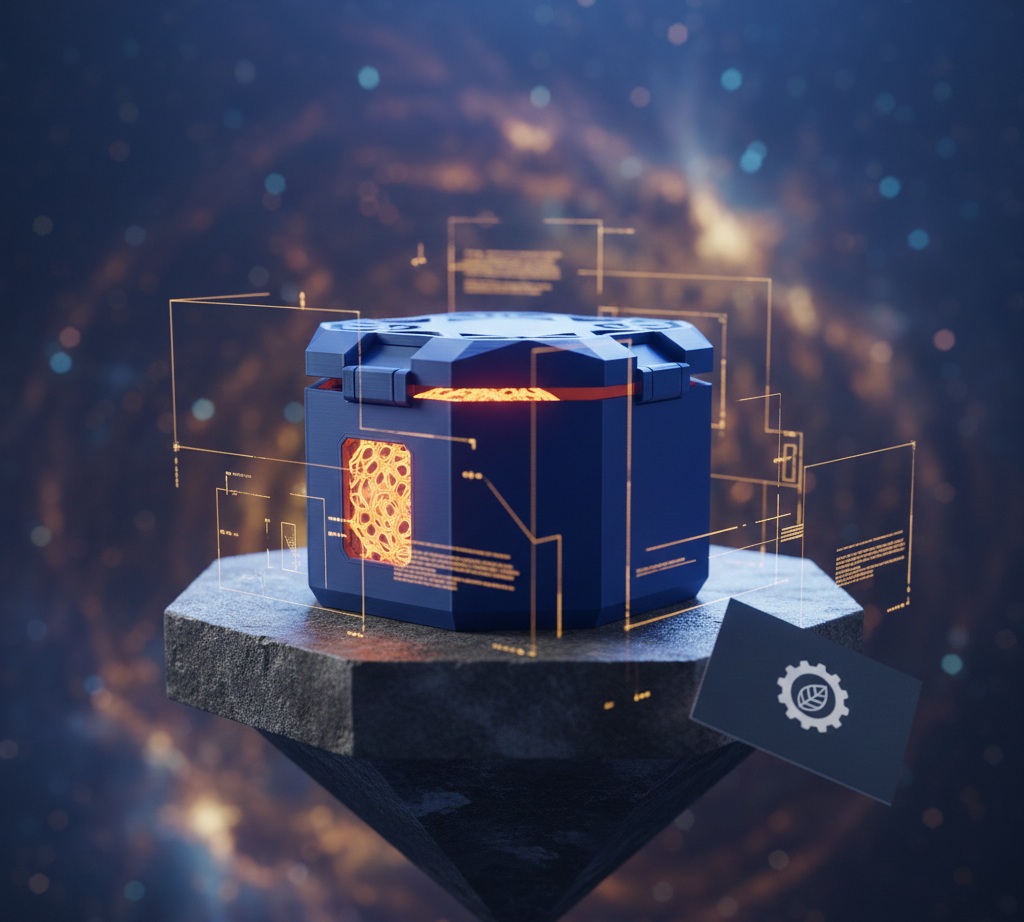
Choosing the Right Infill Pattern
Not all infill patterns serve the same purpose. Choosing the right one can reduce your printing costs by up to 30%. Here is a breakdown of the most popular choices:
- Grid and Lines: These are the fastest to print. However, they are only strong against vertical pressure. They are ideal for decorative models.
- Gyroid: This is the “rising star” of the 3D printing world. It provides equal strength in every direction. Additionally, its unique shape allows air or liquids to flow through, making it perfect for technical parts.
- Honeycomb: This is the strongest structure in nature. It offers maximum durability but takes longer to print.
Wall Count: The Secret to Real Strength
Testing shows that wall count (perimeters) defines a part’s strength more than infill does. For example, using 15% infill and 4 walls is usually stronger than 40% infill and 2 walls. This method uses significantly less filament because the outer walls carry 80% of the structural load. If you want a part that won’t break, increase the wall loops instead of the density.
Use Adaptive Infill for Efficiency
Most modern slicers like Cura or OrcaSlicer offer “Adaptive Infill.” This feature places more material in areas that need support and less in hollow spaces. Consequently, you can achieve professional results without wasting a single gram of filament.
Conclusion: Print Smarter, Not Harder
Optimizing your settings does more than just save money; it also reduces wear on your 3D printer. Before your next project, try increasing the wall count and switching to a Gyroid pattern. You will notice the difference in both the weight of the spool and the durability of your print.
Now that you know how to balance wall count and infill, it is time to put your skills to the test. This Realistic Sleeping Golden Retriever model is the perfect project to practice your filament-saving techniques. Thanks to its organic shape, you can achieve incredible detail using a 0.16mm layer height and a 10-15% Gyroid infill.
Click here to download the Sleeping Golden Retriever STL and start printing smarter!